
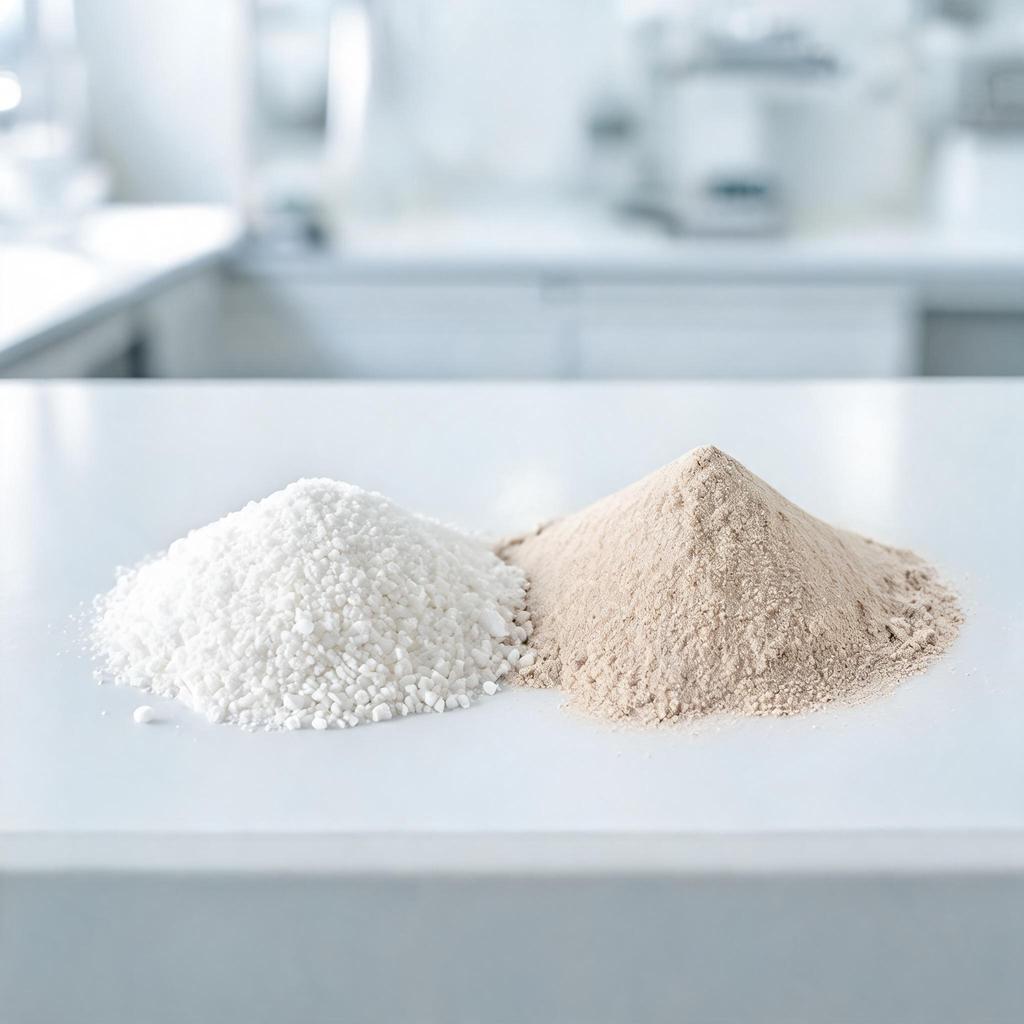
Zinc Ricinoleate vs. Baking Soda: The Ultimate Showdown for Pet Odor Control
In the competitive landscape of pet hygiene products, the battle for the most effective odor neutralizer has traditionally centered around one household staple: baking soda (sodium bicarbonate). For decades, pet owners and early-stage formulators relied on this white powder to tackle the pungent realities of pet ownership. However, the industry is undergoing a massive technological shift. Enter LumenAxys™ Plant-Based Zinc Ricinoleate, a sophisticated, botanically-derived compound that challenges the status quo. When strictly analyzing the parameters of efficacy, safety, and chemical interaction, comparing Zinc Ricinoleate and Baking Soda for Pet Odor Control reveals a clear winner for modern, high-performance formulations.
This deep-dive analysis dissects the molecular mechanics, pH dynamics, and practical applications of both compounds. We will explore why the industry is migrating from simple acid-base neutralization to advanced molecular sequestration.
The Traditional Standard: How Baking Soda Works
To understand the superiority of the new standard, we must first rigorously analyze the old standard. Baking soda, chemically known as sodium bicarbonate (NaHCO3), operates on a relatively simple chemical principle: acid-base neutralization.
Chemical Mechanism of Sodium Bicarbonate
Pet odors—specifically the pungent smells associated with urine and feces—are predominantly composed of acidic volatile organic compounds (VOCs). The primary culprits are ammonia (NH3), various amines, and sulfur-containing compounds like mercaptans.
When baking soda encounters these acidic odor molecules, a classic neutralization reaction occurs. The bicarbonate ion reacts with the acid to form water, carbon dioxide gas, and a neutral salt.
For example, the reaction with ammonia and carbonic acid (formed when baking soda interacts with moisture) essentially raises the pH of the micro-environment. By creating an alkaline environment, baking soda inhibits the growth of odor-causing bacteria and chemically neutralizes acidic smells.
The Critical Flaws of Baking Soda
Despite its widespread use, relying solely on baking soda presents significant limitations for professional pet product formulators:
- pH Disruption and Irritation: Baking soda is highly alkaline (pH ~9). When applied directly to a pet's skin (e.g., in dry shampoos or skin sprays), this high pH can disrupt the skin's natural acid mantle, leading to contact dermatitis, redness, and irritation, particularly in sensitive breeds.
- Mechanical Limitations: Baking soda acts as a passive absorber. Once its capacity to neutralize acids is exhausted, it becomes saturated and ineffective. Furthermore, in high-moisture environments like urine pads, baking soda tends to clump, lose its surface area, and fail to penetrate deep into absorbent cores.
- Limited Binding Range: While excellent against acidic amines, baking soda is less effective against certain sulfur compounds and cannot "trap" molecules; it merely reacts and releases CO2, which can sometimes aerosolize lingering odors temporarily.
The Modern Solution: The LumenAxys™ Advantage
Contrasting this, LumenAxys™ Plant-Based Zinc Ricinoleate represents a paradigm shift in odor control technology. Derived from the reaction of ricinoleic acid (extracted from castor oil) and zinc oxide, this compound utilizes advanced coordination chemistry to defeat odors with surgical precision.
The Molecular "Claw": Coordination Chemistry
Unlike baking soda, which relies on bulk pH alteration, Zinc Ricinoleate functions via specific molecular binding. The core of the molecule is a zinc ion (Zn2+). In the realm of coordination chemistry, the zinc ion acts as a Lewis acid, possessing empty orbitals ready to accept electron pairs.
Odor molecules—such as the sulfur atoms in mercaptans (R-SH) or the nitrogen atoms in amines (R-NH2)—possess "lone pair" electrons. When these odor molecules encounter Zinc Ricinoleate, the zinc ion forms strong coordinate covalent bonds with these atoms.
Simultaneously, the long-chain ricinoleate groups (derived from the plant-based castor oil) wrap around the captured molecule, forming a stable, non-volatile complex. This "molecular cage" physically locks the odor molecule, preventing it from escaping into the air. This is not merely absorption; it is permanent chemical sequestration.
pH Neutrality and Biocompatibility
Perhaps the most critical differentiator is pH. Zinc Ricinoleate operates at a near-neutral pH. This means it does not disrupt the skin's natural microbiome or acid mantle. For pet shampoos, deodorant sprays, or sanitary pads, this neutrality ensures zero risk of chemical burns or dermatitis, making it the ultimate choice for sensitive animals.
Head-to-Head: Comparing Zinc Ricinoleate and Baking Soda for Pet Odor Control
To provide absolute clarity for formulators and consumers, we break down the direct comparison across critical performance metrics.
1. Mechanism of Action
Baking Soda: Relies on broad-spectrum acid-base neutralization. It creates an alkaline environment to inhibit bacteria and react with acidic odors.
Zinc Ricinoleate: Utilizes specific coordination bonding. The Zn2+ ion targets and traps sulfur and nitrogen-containing odor molecules within a hydrophobic fatty acid cage. This allows for targeted elimination without altering the surrounding environment's pH.
2. Efficacy in Moisture-Rich Environments
In applications like Pet Pads or Incontinence Care, moisture management is paramount.
- Baking Soda Failure Point: When exposed to liquid urine, baking soda rapidly dissolves, clumps, and loses its reactive surface area. The resulting slurry can actually transfer odor to other surfaces.
- Zinc Ricinoleate Resilience: LumenAxys™ Zinc Ricinoleate maintains structural integrity in moist environments. The long hydrocarbon chains repel water while the zinc center continues to bind odors. It does not dissolve or clump, ensuring consistent performance throughout the lifecycle of a pet pad or diaper.
3. Skin Safety Profile
For products touching a pet's epidermis, safety is non-negotiable.
- Baking Soda: High alkalinity (pH ~9) can strip natural oils, causing dryness, itching, and inflammation in sensitive pets.
- Zinc Ricinoleate: Neutral pH and biocompatible fatty acid chains ensure it is incredibly gentle. It neutralizes odor without harming the skin barrier, making it ideal for frequent-use shampoos and sanitizing wipes.
4. Longevity of Odor Control
Baking soda is easily saturated. Once the bicarbonate reacts, the reaction stops. Zinc Ricinoleate's coordination bonds are thermodynamically stable. Once an odor molecule is trapped by the zinc center, it does not easily release. This provides significantly longer-lasting odor control in high-traffic pet areas.
Application Scenarios: Where LumenAxys™ Dominates
Understanding the chemical superiority of Zinc Ricinoleate explains its dominance in specific pet care verticals.
Pet Litter Solutions
In the realm of tofu cat litter or clay litter, odor control is the primary selling point. Baking soda is often dusted into the box, but it is easily kicked up by paws, creating a respiratory irritant. LumenAxys™ Zinc Ricinoleate can be coated onto litter granules. Because it binds odors chemically rather than just absorbing them superficially, it prevents the rapid onset of ammonia smells that plague traditional litter boxes.
Pet Urine Pads and Sanitary Products
For incontinence pads and puppy training pads, the challenge is rapid neutralization of urea breakdown products. Baking soda is often mixed into the absorbent fluff pulp, but as noted, it clumps in wet conditions. Incorporating LumenAxys™ into the surface layer of the pad ensures that ammonia (NH3) and other VOCs are instantly captured by the zinc centers, maintaining a fresh environment for both pet and owner.
Pet Shampoos and Grooming Sprays
Grooming products require ingredients that are safe for direct skin contact. Baking soda is too harsh for routine use on canine feline epidermis. Zinc Ricinoleate, being pH neutral and derived from natural castor oil, cleanses and deodorizes simultaneously without stripping the pet's natural protective oils.
Sustainability and Ethical Formulation
Beyond efficacy, the ethical dimension is crucial for modern brands.
- Source Material: Baking soda is typically mined or synthesized synthetically. LumenAxys™ Zinc Ricinoleate is derived from Ricinoleic acid extracted from Castor Beans (Ricinus communis), a highly sustainable, renewable crop.
- Biodegradability: The fatty acid chains in Zinc Ricinoleate ensure the compound biodegrades naturally, leaving no toxic heavy metal residue (unlike some synthetic chelating agents).
- Animal Welfare: By avoiding the harsh alkalinity of baking soda, LumenAxys™ aligns with the growing consumer demand for cruelty-free, dermatologically safe products.
Conclusion: The Verdict
When strictly comparing Zinc Ricinoleate and Baking Soda for Pet Odor Control, the distinction is clear. Baking soda is a blunt instrument—effective in a pinch, but flawed by its high pH, clumping issues, and temporary action.
LumenAxys™ Plant-Based Zinc Ricinoleate is a precision tool. Through advanced coordination chemistry, it offers superior binding capacity, total pH neutrality, and unmatched stability in moist environments. For manufacturers aiming to revolutionize pet hygiene—from premium litter to medical-grade incontinence pads—transitioning to Zinc Ricinoleate is not just an upgrade; it is the necessary evolution of the industry.
Frequently Asked Questions (FAQ)
Q1: Can I mix baking soda and Zinc Ricinoleate in the same pet product?
While technically possible, it is generally unnecessary and counter-productive. Mixing the highly alkaline baking soda with the neutral Zinc Ricinoleate can destabilize the pH balance of the formulation. LumenAxys™ is designed to perform independently and superiorly without the need for auxiliary buffering agents.
Q2: Is Zinc Ricinoleate safe if a pet licks it off their fur?
Yes. LumenAxys™ is derived from natural castor oil and food-grade zinc. It is non-toxic and biodegradable. Unlike harsh chemical deodorizers, it poses no threat if ingested in trace amounts during grooming.
Q3: Why does Zinc Ricinoleate work better in wet pet pads compared to baking soda?
Baking soda relies on dry powder surface area. In wet pads, it dissolves and clumps, rendering it useless. Zinc Ricinoleate is an oil-soluble salt that maintains its molecular structure and binding sites regardless of moisture levels, ensuring continuous odor capture.
Q4: Does Zinc Ricinoleate mask odors with fragrance?
Absolutely not. LumenAxys™ chemically eliminates odors by trapping the offending molecules at a molecular level. It requires no added fragrances, distinguishing it from traditional sprays that merely cover up smells temporarily.
Q5: How does the price-point compare?
While Zinc Ricinoleate has a higher raw material cost than baking soda, its extreme potency means significantly lower dosage rates are required. When calculated on a "cost-per-odor-event," LumenAxys™ offers a superior cost-benefit ratio for high-end pet product lines.