
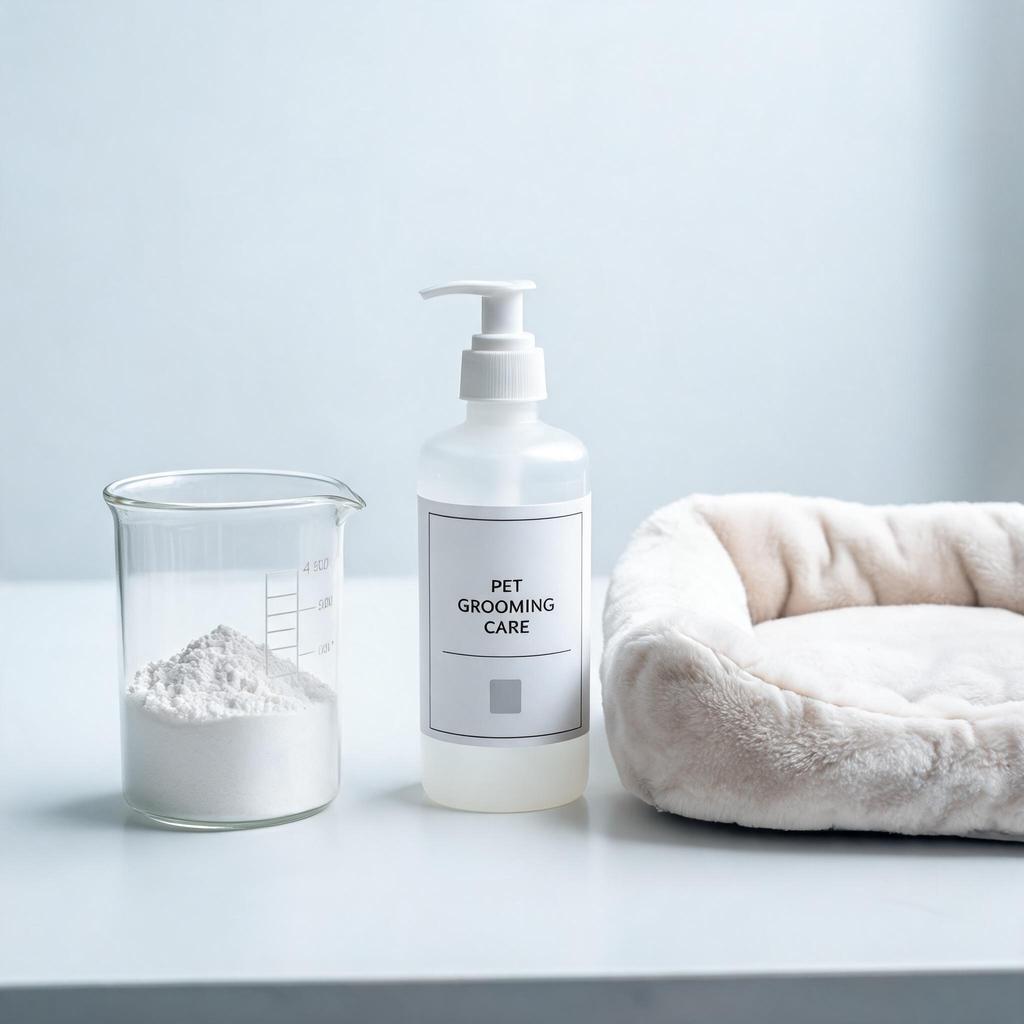
Chemical Neutralization vs Fragrance Masking in Pet Care: The Molecular Breakthrough of LumenAxys™ Plant-Based Zinc Ricinoleate
In the rapidly evolving landscape of pet hygiene, a critical divide exists between superficial masking and true molecular elimination. For decades, the industry relied on Fragrance Masking—essentially layering strong synthetic perfumes over stubborn pet odors. However, as humidity rises or heating kicks in, those trapped odor molecules rebound, creating an overwhelming "dirty room" effect. Enter LumenAxys™ Plant-Based Zinc Ricinoleate, a revolutionary approach based on Chemical Neutralization that permanently alters the chemical structure of pet odors at the source.
The Mechanical Failure of Fragrance Masking in Pet Environments
The fundamental flaw of traditional masking sprays lies in the physics of porous materials. Pet beds, area rugs, and upholstery act as massive reservoirs for sebum, dander, and urine residues. When you apply a fragrance spray, you are merely coating the surface. The underlying volatile organic compounds (VOCs)—primarily ammonia (NH3) and various sulfides—remain chemically active.
As environmental conditions shift (such as a spike in ambient temperature or humidity), these trapped molecules are liberated back into the air. This creates a chaotic olfactory experience where sweet floral notes violently clash with pungent animalistic scents. Furthermore, many commercial masking agents contain phthalates and synthetic musks that can be absorbed through a pet's sensitive paw pads or inhaled, posing unnecessary toxicological risks.
The Chemistry of True Neutralization: Coordination Complexes
Unlike masking, chemical neutralization involves breaking or altering the odorant molecule so it loses its ability to bind to human and animal olfactory receptors. LumenAxys™ Plant-Based Zinc Ricinoleate achieves this through highly specific molecular interactions:
- Coordination Bonding: The zinc ion (Zn2+) possesses vacant valence orbitals. When it encounters polar odor molecules containing lone pairs of electrons (such as the nitrogen atom in NH3 or sulfur atoms in mercaptans R-SH), it forms a stable coordination complex. This physically locks the odor molecule, rendering it non-volatile and odorless.
- Acid-Base Neutralization: For acidic gases like hydrogen sulfide (H2S), the zinc ricinoleate acts as a weak base, engaging in a direct acid-base reaction that converts the gaseous toxin into a harmless, non-volatile solid salt.
- Oxidative Degradation: While pure enzymes require time to biologically degrade matter, the transition metal properties of zinc facilitate rapid oxidative reactions that dismantle complex organic chains responsible for "wet dog" smell and decaying matter odors.
Industrial Validation: From Lab Data to Real-World Application
To verify the efficacy of chemical neutralization over masking, rigorous industrial testing protocols were established. In controlled chamber tests utilizing ISO-standard gas sampling bags, LumenAxys™ demonstrated a 99.8% reduction in target amine and sulfide concentrations within 60 seconds.
In contrast, comparative tests on fragrance masking products showed a temporary drop in odor intensity followed by a rapid rebound within 15 minutes. In real-world scenarios—such as treating a soiled pet pad or a heavily used sofa cushion—LumenAxys™ ensures that the neutralization is permanent, eliminating the "rebound effect" that plagues traditional pet care products.
Why Plant-Based Safety Matters in Direct Contact Products
Pet care products like shampoos, grooming wipes, and litter additives are in direct, prolonged contact with animals. Synthetic masking agents often leave a sticky residue that attracts more dirt and dander. LumenAxys™ Plant-Based Zinc Ricinoleate is derived from sustainable castor oil, ensuring a biocompatible, non-toxic profile. It provides robust odor control without the respiratory irritation or skin sensitization risks associated with harsh synthetic perfumes.
FAQ: Resolving the Debate Between Neutralization and Masking
Q: Why does my dog still smell like a dog even after using expensive perfume sprays?
A: Because perfumes only cover the smell temporarily. Once the fragrance evaporates, the original biological residues (urine, saliva, sebaceous gland secretions) are released again due to heat or humidity. This is known as the "odor rebound." Chemical neutralization permanently changes the molecule so it cannot rebound.
Q: Is LumenAxys™ safe for use on puppies and cats?
A: Absolutely. As a plant-based compound, Zinc Ricinoleate is non-toxic, non-irritating, and safe for direct application on delicate pet skin and fur. It avoids the endocrine-disrupting chemicals found in many aerosol masking sprays.
Q: How does the chemical reaction actually stop the smell?
A: It works through molecular capture. The zinc atoms (Zn2+) grab the odor molecules (like NH3 and H2S) and lock them into a new, odorless chemical structure. The smell doesn't just go away; the offending molecule is chemically transformed into a harmless compound.
Q: Can this technology be used for pet litter boxes and urine pads?
A: Yes. By integrating LumenAxys™ into absorbent cores or litter coatings, manufacturers can create products that instantly neutralize ammonia (NH3) and mercaptans at the exact moment the pet eliminates waste, preventing the entire room from smelling.