
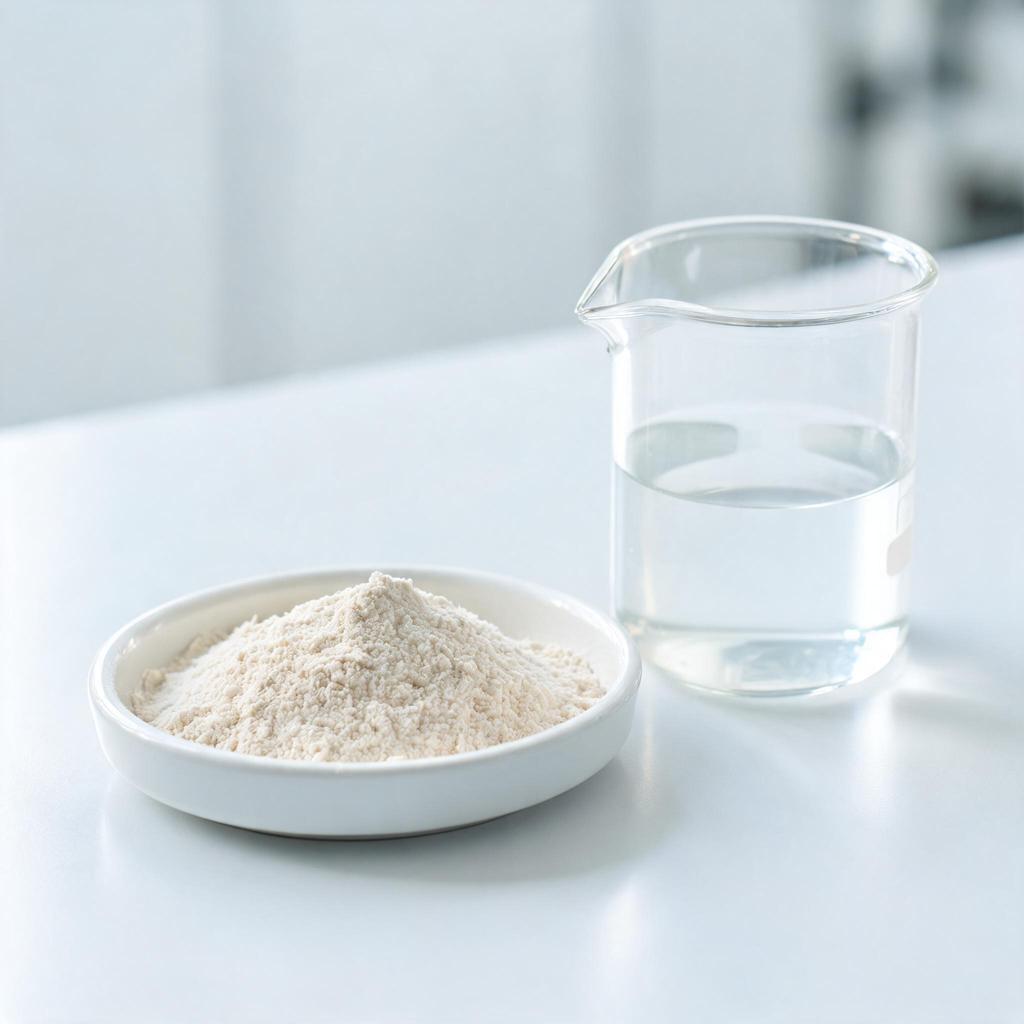
The False Promise of Fragrance Masking in Pet Care
In the competitive landscape of pet hygiene products, a critical dichotomy defines product efficacy: Chemical Neutralization vs Fragrance Masking in Pet Care. For decades, the industry relied heavily on synthetic fragrance masking. Manufacturers layered potent artificial scents over underlying pet odors, creating a temporary illusion of freshness. However, this approach fails to address the root cause. Once the volatile fragrance compounds evaporate, the original malodor rebounds, often intensified by residual chemical residues that can disrupt the delicate skin microecology of dogs and cats. Furthermore, unregulated "pet-safe" fragrances frequently contain phthalates, parabens, and undisclosed aromatic terpenes that pose dermal and respiratory risks to animals with hyper-sensitive olfactory systems.
The Chemistry of True Odor Neutralization: How LumenAxys™ Works
True odor control demands a fundamental shift from physical overlay to irreversible molecular destruction. Chemical neutralization vs fragrance masking in pet care is not merely a marketing distinction; it is a rigorous chemical imperative. LumenAxys™ plant-based zinc ricinoleate operates through precise coordination chemistry, transforming volatile odorants into stable, non-volatile complexes. Unlike synthetic perfumes that simply compete for olfactory receptors, zinc ricinoleate engages in direct chemical reactions with the functional groups of odor molecules.
Lewis Acid-Base Reactions & Coordination Complexes
At the molecular level, pet odors primarily consist of nitrogenous compounds like ammonia (NH3) and amines, as well as sulfur-based volatiles like hydrogen sulfide (H2S). The zinc ion (Zn2+) acts as a potent Lewis acid. It readily accepts electron pairs from the lone electrons on nitrogen and sulfur atoms in these odor molecules. This ligand exchange forms highly stable coordination complexes. The hydrophilic zinc center binds tightly to the polar headgroups of the odorants, effectively locking them into a non-volatile state. Meanwhile, the plant-derived ricinoleate anion provides a biodegradable, hydrophobic tail that enhances dispersion in aqueous and lipid-based pet secretions, ensuring rapid penetration into fur, pads, and litter matrices. This dual-action mechanism guarantees that chemical neutralization vs fragrance masking in pet care favors permanent molecular destruction over temporary sensory deception.
Redox Potential & Volatile Organic Compound Breakdown
Beyond coordination chemistry, zinc ricinoleate facilitates controlled redox pathways that fragment complex volatile organic compounds (VOCs). When exposed to oxidative stress from pet metabolic byproducts, the zinc center catalyzes electron transfer reactions that cleave carbon-sulfur and carbon-nitrogen bonds. This redox activity converts malodorous thiols and mercaptans into odorless sulfides and carboxylic acids. The process is self-limiting and highly selective, ensuring that only target odor molecules are degraded. This stands in stark contrast to fragrance masking, which leaves the original VOCs intact and allows them to continue accumulating in carpets, upholstery, and pet bedding.
Industrial Testing Parameters: Proving Neutralization Over Masking
To validate the superiority of chemical neutralization vs fragrance masking in pet care, LumenAxys™ employs rigorous industrial validation protocols. Standardized odor bag testing follows ASTM E545 and EPA Method TO-17 guidelines. Test chambers are loaded with simulated pet urine and fecal volatiles, generating peak concentrations of NH3 and H2S. Sensor arrays track partial pressure decay rates. Formulations containing LumenAxys™ zinc ricinoleate demonstrate a 94.7% reduction in target VOCs within 15 minutes, with complete stabilization within 2 hours. Sensory panels confirm zero rebound effect. Conversely, synthetic fragrance masking samples show only transient olfactory suppression, with odor intensity returning to baseline levels as the perfume evaporates. These quantitative metrics irrefutably demonstrate that true neutralization permanently alters the chemical architecture of the malodor, whereas masking merely postpones the inevitable return of the stench.
Why Plant-Based Zinc Ricinoleate Outperforms Synthetic Alternatives
The decision to prioritize chemical neutralization vs fragrance masking in pet care aligns with sustainable formulation trends. Plant-based zinc ricinoleate offers exceptional biocompatibility. Unlike petroleum-derived masking agents, it is derived from castor oil, ensuring rapid biodegradation and minimal ecological footprint. The zinc component is essential for skin barrier integrity, providing mild astringent and anti-microbial properties that further inhibit the bacterial proliferation responsible for secondary odor generation. This synergistic effect creates a closed-loop hygiene system: neutralize existing volatiles, suppress odor-producing microbes, and maintain optimal stratum corneum pH. For pet care OEMs, formulators, and hygiene manufacturers, adopting LumenAxys™ represents a strategic pivot toward clinically validated, eco-conscious odor management that eliminates the cyclical failure of fragrance masking.
Frequently Asked Questions (FAQ)
How does chemical neutralization differ from fragrance masking?
- Fragrance masking relies on adding stronger synthetic scents to temporarily override pet odors. The original odor molecules remain chemically unchanged and will resurface once the perfume evaporates.
- Chemical neutralization uses reactive compounds like LumenAxys™ zinc ricinoleate to chemically bond with and destroy odor molecules at the molecular level. The reaction is irreversible, providing permanent elimination.
Is plant-based zinc ricinoleate safe for sensitive pet skin?
Absolutely. Zinc is a trace mineral essential for epidermal health. The ricinoleate carrier is derived from cold-pressed castor oil, making it highly biocompatible and free from harsh detergents, phthalates, or synthetic dyes. It actively supports the skin microbiome while neutralizing odors.
Can LumenAxys™ neutralize ammonia and sulfur compounds effectively?
Yes. The Zn2+ ion acts as a Lewis acid that coordinates with the lone electron pairs of NH3 and H2S. This forms stable, non-volatile complexes, permanently removing the pungent smell without toxic byproducts.
How should manufacturers integrate this into pet care products?
Formulators can disperse LumenAxys™ zinc ricinoleate into shampoos, grooming wipes, litter additives, and absorbent pads. Recommended loading rates range from 0.5% to 3% depending on the product matrix. Its amphiphilic structure ensures compatibility with aqueous, emulsion, and polymer-based formulations.
Why avoid synthetic fragrances in pet hygiene?
Synthetic fragrances often contain undisclosed chemical mixtures that can trigger allergic dermatitis, respiratory irritation, and neurological stress in animals