
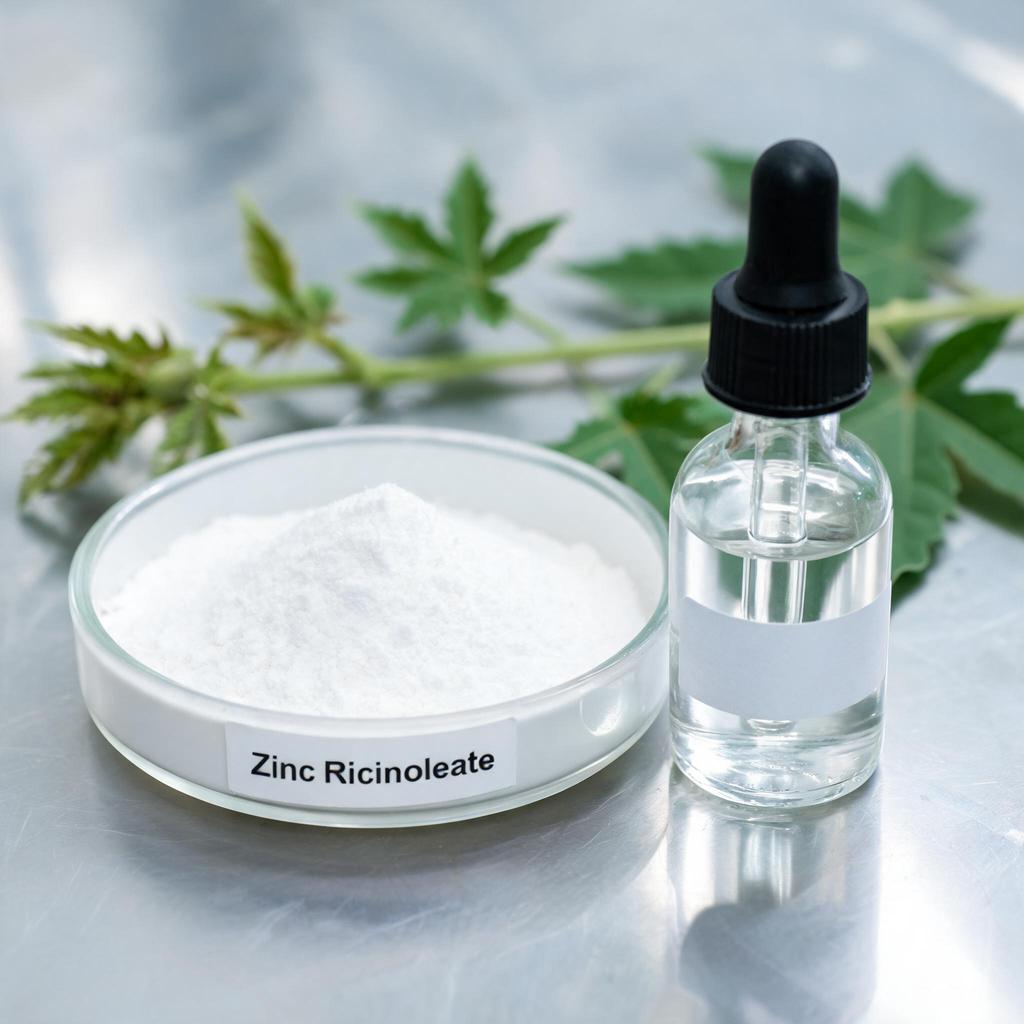
The Paradigm Shift: Sustainable Formulations Moving Away from Aluminum Salts
In the rapidly evolving landscape of personal hygiene and cosmetic chemistry, the industry stands at a critical juncture. For decades, the gold standard for antiperspirants and deodorants relied heavily on aluminum-based compounds. However, growing scientific scrutiny regarding environmental impact, potential bioaccumulation, and consumer demand for "clean label" products has catalyzed a massive pivot. The core initiative driving this transformation is the development of Sustainable Formulations: Moving Away from Aluminum Salts, replacing them with advanced, plant-derived neutralizers like LumenAxys™ Plant-Based Zinc Ricinoleate.
This transition is not merely a marketing trend; it is a fundamental re-engineering of odor control technology. Traditional aluminum salts function primarily as astringents that physically occlude sweat ducts, whereas modern plant-based zinc derivatives function through precise molecular complexation, offering a safer, more sustainable, and equally effective pathway for global hygiene brands.
The Technical & Environmental Case Against Aluminum Salts
To truly appreciate the value of plant-based alternatives, we must first analyze the limitations of aluminum salts from both a chemical engineering and environmental sustainability perspective.
Environmental Degradation and Mining Impact
As highlighted by leading eco-conscious manufacturers, the extraction of aluminum is notoriously destructive. Bauxite mining, the primary source of aluminum, necessitates the clearing of vast tracts of tropical forests, leading to irreversible habitat loss. The refining process is extraordinarily energy-intensive, consuming approximately 15,000 kilowatt-hours of electricity per tonne of aluminum produced. Furthermore, the processing generates "red mud"—a highly alkaline, toxic sludge containing heavy metals that poses a severe threat to local groundwater systems and aquatic ecosystems. By moving away from these compounds, formulators actively reduce their supply chain's carbon footprint and ecological destruction.
Bioaccumulation and Biological Processing
From a human health perspective, aluminum is a positively charged ion (Al3+). When introduced topically or systemically, it seeks out negatively charged partners in the blood, most notably transferrin (accounting for ~90% of binding) and citrate (~10%). While the kidneys filter the majority of aluminum within 24 hours, a significant portion (up to 60%) accumulates in the skeletal system, with smaller quantities migrating to the lungs and brain tissue. Chronic exposure to aluminum salts in antiperspirants raises valid concerns regarding long-term bioaccumulation. LumenAxys™ Zinc Ricinoleate bypasses these risks entirely, utilizing a plant-based zinc ester that acts purely locally on odor molecules without systemic absorption.
The Molecular Mechanism of Zinc Ricinoleate
The superiority of LumenAxys™ lies in its distinct mode of action. While aluminum salts rely on physical pore-blocking, Zinc Ricinoleate operates through advanced coordination chemistry.
Chemical Complexation vs. Physical Occlusion
Odor in human sweat is not caused by the water itself, but by bacterial breakdown of proteins and lipids, producing volatile organic compounds (VOCs) such as amines (causing fishy/urinous odors) and thiols (causing sulfurous odors).
Zinc Ricinoleate features a central zinc ion (Zn2+) coordinated with ricinoleate ligands. This molecular architecture allows the zinc ion to act as a powerful Lewis acid, forming stable, non-volatile coordination complexes with the basic nitrogen atoms in amine molecules (R-NH2). Unlike baking soda (Sodium Bicarbonate), which creates a high-pH environment that often leads to skin irritation and redness, Zinc Ricinoleate maintains a skin-friendly pH level. It neutralizes the odor at the molecular level rather than masking it with overpowering fragrances.
Superior Efficacy and Skin Compatibility
Clinical testing demonstrates that Zinc Ricinoleate provides rapid and sustained odor neutralization without the "plugged gland" side effect associated with aluminum. Because it does not block the sweat ducts, the body's natural thermoregulatory cooling mechanism remains fully functional. This is particularly crucial for active individuals and those living in hot climates. Furthermore, the ricinoleic acid backbone is derived from castor beans, making it inherently biodegradable and gentle on the epidermis, effectively solving the "detox" transition issues cited by consumers switching to natural deodorants.
Industrial Integration for B2B Formulators
For manufacturers seeking to upgrade their product lines, integrating LumenAxys™ into sustainable formulations is straightforward and highly scalable.
Versatility Across Product Formats
Unlike traditional aluminum chloride which has solubility limitations in certain anhydrous bases, Zinc Ricinoleate exhibits exceptional compatibility with a wide range of delivery systems:
- Rol-ons & Liquids: Easily dissolved in alcohol-water bases, providing immediate antimicrobial and deodorizing action.
- Sticks & Creams: Stable in wax-based and anhydrous emulsions, offering long-lasting protection without clogging pores.
- Wipes & Sprays: Highly effective in aqueous solutions, allowing for portable, single-use hygiene applications.
Overcoming the "Detox" Transition Period
Competitor analysis reveals that transitioning away from aluminum salts often results in a temporary increase in body odor as the skin's microbiome recalibrates. This is a well-documented physiological response known as the "detox" phase. By utilizing high-concentration LumenAxys™ Zinc Ricinoleate, brands can significantly shorten this transition period. The potent neutralization of ammonia (NH3) and mercaptans ensures that even during the microbiome shift, the consumer experiences continuous freshness, thereby preventing customer churn during this critical adaptation window.
Sustainability and Green Chemistry Compliance
Adopting LumenAxys™ aligns perfectly with global green chemistry principles. The raw material, ricinoleic acid, is sourced from the castor bean, a resilient crop that grows in arid regions, minimizing water usage compared to crops like cotton or palm. The synthesis of Zinc Ricinoleate involves a direct esterification reaction between zinc oxide and ricinoleic acid, a process that generates minimal waste and avoids the use of harsh synthetic solvents.
This plant-based origin story resonates deeply with the eco-conscious consumer base that demands transparency, refillable packaging, and non-toxic ingredients. It represents the pinnacle of Sustainable Formulations: Moving Away from Aluminum Salts, proving that environmental stewardship and high-performance chemistry are not mutually exclusive.
Frequently Asked Questions (FAQ)
Q: Does Zinc Ricinoleate stop sweating like aluminum salts do?
A: No, and that is its primary advantage. Aluminum salts function as antiperspirants by creating a gel matrix that physically plugs the sweat ducts. LumenAxys™ Zinc Ricinoleate functions as a deodorant. It chemically neutralizes odor-causing bacteria and VOCs without blocking the body's natural perspiration and cooling mechanisms.
Q: Is there a risk of skin irritation compared to baking soda?
A: Significantly lower risk. Baking soda (Sodium Bicarbonate) operates at a high pH, which frequently causes redness, itching, and dermatitis in sensitive users. Zinc Ricinoleate is pH-neutral and exceptionally gentle, making it suitable for sensitive skin and post-shaving application.
Q: How does this help with the environmental impact of personal care?
A: By replacing aluminum salts, brands eliminate the demand for environmentally devastating bauxite mining and the associated "red mud" toxic waste. Additionally, the plant-based nature of Zinc Ricinoleate ensures that the active ingredient is biodegradable, leaving no persistent chemical residues in wastewater systems.
Q: Can LumenAxys™ be used in combination with other natural ingredients?
A: Absolutely. It integrates seamlessly with essential oils, coconut oil, and shea butter, allowing formulators to create complex, sensory-rich formulations that mask any residual transition-period odors while the Zinc Ricinoleate handles the chemical neutralization.