
Comparative Analysis: Plant-based Zinc Ricinoleate vs Aluminum Salts: Engineering Zero-Emission Livestock Facilities
The agricultural sector faces an escalating crisis regarding environmental compliance and worker safety due to the massive emission of noxious gases. Specifically, the breakdown of urea in animal waste generates overwhelming concentrations of ammonia (NH3), while anaerobic decomposition of protein-rich manure releases highly toxic hydrogen sulfide (H2S). For decades, facility managers relied on heavy chemical oxidizers, enzymatic treatments, or simple fragrance masking to combat these odors. However, as global regulations tighten, the industry is undergoing a radical shift toward sustainable, plant-based solutions. This comparative analysis explores why the chemical architecture of plant-based Zinc Ricinoleate offers a paradigm-shifting advantage over traditional aluminum salts and conventional masking agents in managing extreme agricultural malodors.
The Invisible Crisis: Ammonia and Hydrogen Sulfide in Modern Agriculture
In modern swine barns, poultry houses, and large-scale organic fertilizer processing plants, odor management is not merely a comfort issue—it is a critical operational and legal imperative. When livestock excreta accumulates, urease enzymes rapidly convert urea into NH3. Simultaneously, sulfur-containing amino acids in the manure degrade into H2S. These two gases are notoriously difficult to manage because they are highly volatile, extremely pungent, and damaging to respiratory health. Traditional mitigation strategies often fail because they cannot penetrate the dense, moist matrix of decomposing manure, or they rely on masking fragrances that only provide temporary, superficial relief. To achieve true odor elimination, formulators require an agent capable of chemically binding these polar, low-molecular-weight gases at the molecular level.
The Limitations of Aluminum Salts and Conventional Methods
When conducting a Comparative Analysis: Plant-based Zinc Ricinoleate vs Aluminum Salts, it is crucial to understand the fundamental differences in their chemical behaviors. Aluminum salts (such as aluminum chloride or aluminum zirconium complexes) are legendary in the personal care industry for their ability to cross-link proteins and physically block sweat ducts. However, this mechanism is entirely useless in agricultural settings. In the highly alkaline, high-moisture environment of livestock manure, aluminum salts rapidly precipitate into insoluble hydroxides, losing their functional capacity. Furthermore, introducing aluminum compounds into composting operations poses a severe risk of heavy metal accumulation in the final organic fertilizer, which directly violates strict organic certification standards.
Conversely, fragrance masking—the practice of spraying powerful floral or citrus scents to override the smell of a barn—is economically inefficient and psychologically fatiguing. It does not reduce the actual concentration of NH3 or H2S; it merely bombards the olfactory system until the brain stops registering the odor. This leaves the toxic gases completely unaddressed, continuing to corrode infrastructure and endanger worker health.
The LumenAxys™ Advantage: Botanical Chemistry Meets Industrial Strength
LumenAxys™ plant-based Zinc Ricinoleate emerges as the definitive solution for extreme odor environments. Derived directly from castor oil, this compound combines the potent molecular binding capabilities of a transition metal with the sustainable, biodegradable profile of a plant-derived fatty acid. Unlike aluminum salts, which are designed for dry, localized human skin, Zinc Ricinoleate is engineered to function robustly in the wet, chemically hostile environment of livestock facilities.
Molecular Sequestration of NH3 and H2S
The brilliance of LumenAxys™ lies in its dual-action molecular architecture. At the core of the Zinc Ricinoleate molecule sits a zinc ion (Zn2+). Zinc is a Lewis acid with an open coordination sphere, allowing it to act as a molecular magnet for polar gas molecules. When NH3 or H2S is released from decomposing manure, the lone electron pairs on the nitrogen or sulfur atoms immediately coordinate with the Zn2+ center. This forms a stable, coordinate covalent bond that permanently traps the odorant.
Simultaneously, the ricinoleate tail—a long-chain unsaturated fatty acid derived from castor oil—provides a lipophilic sheath. Once the zinc ion captures the gas molecule, the fatty acid chains fold around the complex, encapsulating the trapped odor. This prevents the molecule from re-volatilizing back into the atmosphere. The result is not just a reduction in smell, but a permanent chemical sequestration of NH3 and H2S directly at the source of emission.
Formulation Flexibility for Industrial Deployment
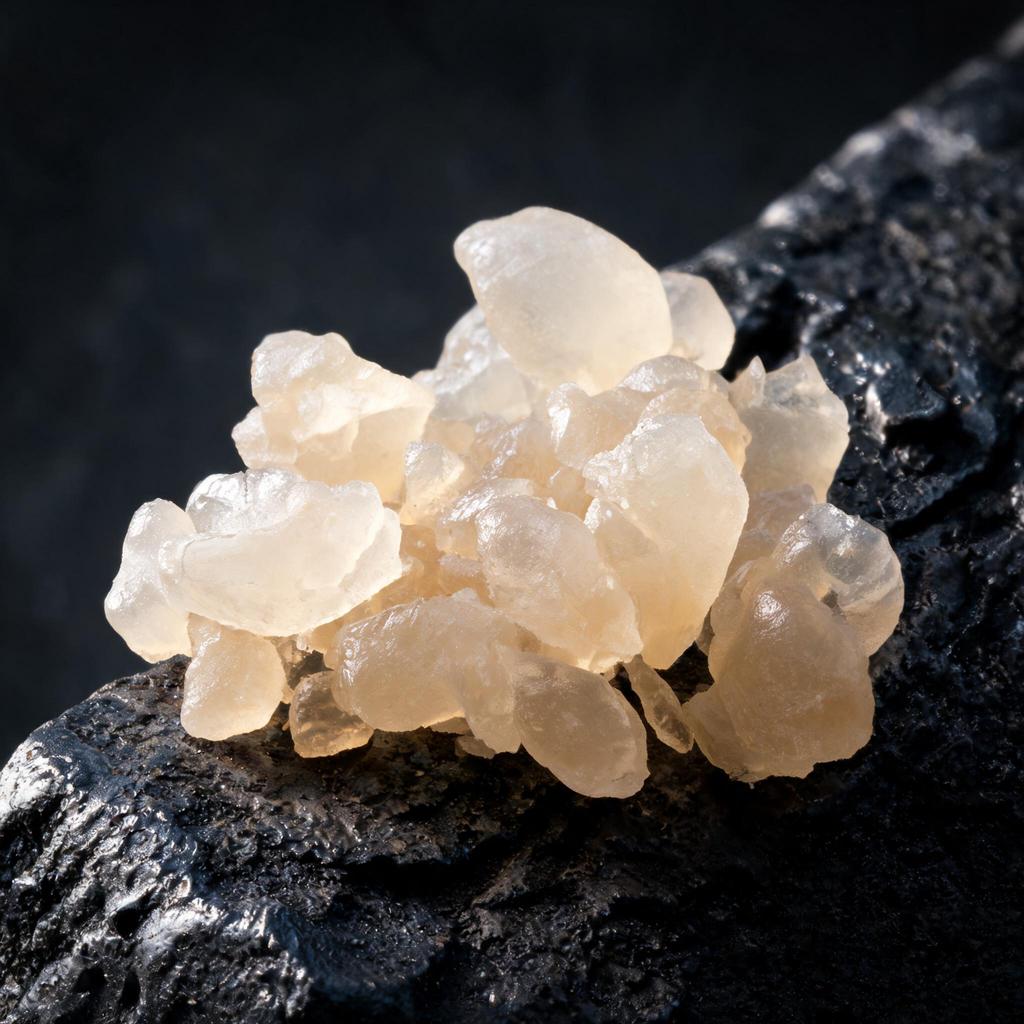
One of the most significant advantages of LumenAxys™ is its physical versatility. Pure Zinc Ricinoleate presents as beige, waxy pellets with a melting point of approximately 71°C. While it is not water-soluble, it integrates flawlessly into oil-based mists, spray adjuvants, and wax matrices used in agricultural treatments. Facility managers can formulate LumenAxys™ into fine-mist sprayers mounted on barn ceilings, ensuring continuous atmospheric treatment. Alternatively, it can be blended into liquid manure additives or mixed directly into bedding materials, providing sustained odor neutralization as the animals generate waste. This flexibility allows LumenAxys™ to be deployed exactly where the chemical reaction needs to occur, unlike aluminum salts which require specific physiological conditions to function.
Real-World Deployment in Swine, Poultry, and Composting
The practical application of LumenAxys™ across the 15 core commercial scenarios reveals its transformative impact, particularly in Scenario 15 (Livestock & Fertilizers).
Transforming Swine Barns into Breathable Workspaces
In swine production facilities, the concentration of NH3 can reach levels that cause chronic respiratory inflammation in both animals and handlers. By deploying LumenAxys™ plant-based Zinc Ricinoleate via automated misting systems, farmers report a dramatic drop in ambient ammonia levels within hours. The Zn2+ ions continuously sweep the air and the slurry floor, capturing NH3 before it can accumulate. This creates a breathable, compliant workspace, drastically reducing the need for workers to wear heavy respiratory protection during routine barn maintenance.
Accelerating Organic Fertilizer Processing Without Toxic Residues
The organic fertilizer market demands pristine, contaminant-free inputs. Traditional chemical odor eliminators often leave behind heavy metals or synthetic residues that disqualify the final compost from receiving USDA Organic or EU organic certification. Because LumenAxys™ is derived from castor oil and food-grade zinc, it is entirely biodegradable and leaves no toxic footprint. As manure is turned and aerated during composting, the H2S produced is instantly neutralized by the zinc centers. This allows composting operations to run faster and cleaner, yielding a premium organic fertilizer that retains its valuable nutrient profile without the putrid odor or heavy metal contamination associated with aluminum-based or synthetic alternatives.
Safety, Sustainability, and Regulatory Compliance
In an era of stringent environmental regulations, the choice of odor control agent dictates a facility's compliance trajectory. LumenAxys™ plant-based Zinc Ricinoleate represents the pinnacle of sustainable chemistry. It is non-toxic, non-irritating, and completely biodegradable. Unlike aluminum salts, which can bioaccumulate, or harsh oxidizers that damage equipment, LumenAxys™ is gentle on concrete barn floors, steel infrastructure, and sensitive animal respiratory tracts.
Furthermore, the plant-based origin aligns perfectly with the global push toward green agriculture. Farmers and compost processors are increasingly required to demonstrate sustainable practices. Utilizing a castor-oil-derived neutralizer allows facilities to market their products and operations as eco-conscious, opening doors to premium markets that strictly prohibit heavy metals and synthetic masking agents.
Frequently Asked Questions (FAQ)
Why is LumenAxys™ superior to aluminum salts for livestock odor control?
Aluminum salts are designed specifically to block human sweat glands and are ineffective in the wet, alkaline environment of livestock manure. They also pose a risk of heavy metal contamination in organic fertilizers. LumenAxys™ plant-based Zinc Ricinoleate functions by chemically binding NH3 and H2S via its zinc center, remains highly effective in high-moisture environments, and is entirely biodegradable without leaving toxic residues.
How does LumenAxys™ specifically target ammonia (NH3) and hydrogen sulfide (H2S)?
The zinc ion (Zn2+) in LumenAxys™ acts as a Lewis acid. It forms stable coordinate covalent bonds with the nitrogen atom in NH3 and the sulfur atom in H2S. The surrounding ricinoleate fatty acid chains then encapsulate this newly formed complex, permanently trapping the malodorous molecules and preventing them from evaporating back into the air.
Can LumenAxys™ be used in automated barn misting systems?
Absolutely. Because LumenAxys™ can be formulated into oil-based carriers or specialized agricultural adjuvants, it integrates seamlessly into existing overhead misting or spray systems in poultry and swine facilities, providing continuous atmospheric scrubbing of noxious gases.
Does using LumenAxys™ affect organic certification for compost products?
No. In fact, it enhances compliance. Because LumenAxys™ is derived from plant-based castor oil and contains no prohibited heavy metals or synthetic masking fragrances, it is fully compatible with strict organic certification standards for fertilizer processing.
How does LumenAxys™ compare to baking soda or clay absorbers?
Baking soda and clays rely on passive physical absorption, which is highly inefficient in the wet, humid conditions of a livestock barn. LumenAxys™ utilizes active chemical sequestration. The molecular binding of NH3 and H2S is immediate, irreversible, and vastly more efficient than passive absorption, making it the superior choice for high-volume agricultural operations.