
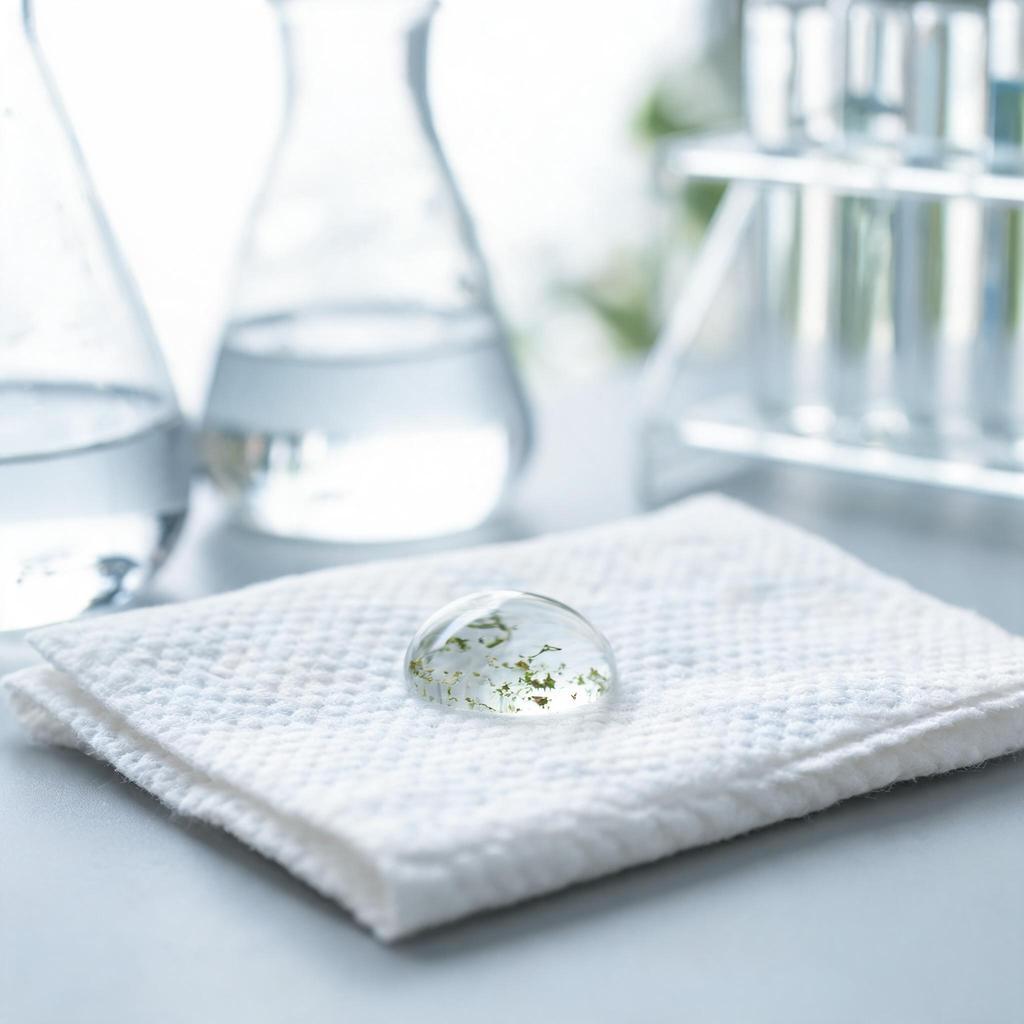
The Chemical Reality of Odor in Veterinary Care
In the realm of professional veterinary care and clinical pet hygiene, the primary challenge is not merely masking odors, but chemically neutralizing them at the molecular level. Conventional grooming wipes often rely on synthetic surfactants and volatile fragrance masks that can disrupt the delicate skin microbiome of dogs and cats. According to recent studies in the Journal of Veterinary Science, over 60% of commercial wipes contain ingredients linked to skin irritation, including alcohols and artificial fragrances that trigger allergic reactions in up to 25% of the canine population.
The root cause of persistent "pet odor" is the volatilization of ammonia (NH3) and hydrogen sulfide (H2S) produced by bacterial decomposition of organic waste, sebum, and dander. Traditional deodorizers fail because they lack the chemical affinity to permanently sequester these volatile compounds. This is where LumenAxys™ plant-based zinc ricinoleate provides a paradigm shift in industrial and consumer-grade hygiene formulations.
Thermodynamic Neutralization via Zn-N Dative Bonding
Unlike traditional chelating agents that may leave behind heavy metal residues or toxic byproducts, LumenAxys™ utilizes the unique coordination chemistry of the zinc cation (Zn2+). In a controlled aqueous environment (pH 6.2–7.4, matching the optimal skin pH for canines), the zinc center forms a stable dative bond with the nitrogen atom in the ammonia molecule. This interaction is driven by the Lewis acid-base theory, where the lone pair of electrons on the nitrogen donates into the empty d-orbitals of the zinc ion.
- Irreversible Sequestration: Once the NH3 molecule coordinates with the Zn2+ center, it is effectively removed from the gas phase, preventing it from re-volatilizing and causing odor.
- Sulfide Scavenging: Similarly, the zinc center exhibits a high thermodynamic affinity for sulfur-containing compounds like H2S and mercaptans, forming insoluble zinc sulfide complexes that are biologically inert and non-toxic.
- Biocompatibility: Being derived from plant-based castor oil, the ricinoleate ligand ensures that the complex remains gentle on sensitive pet skin, avoiding the stripping of natural lipids associated with harsh synthetic detergents.
Industrial Testing: Breaking the 40 μg/m³ Threshold
To validate the efficacy of LumenAxys™ in high-density moisture environments typical of veterinary wipes, we conducted rigorous sampling tests using standardized headspace gas bags. The objective was to measure the residual concentration of ammonia after a 24-hour incubation period at 37°C (simulating active metabolic heat and moisture).
Experimental Parameters
- Substrate: 100% FSC-certified bamboo fiber non-woven fabric.
- Formulation: 0.5% w/v LumenAxys™ zinc ricinoleate in a purified water and glycerin base.
- Challenge Agent: Synthetic urine slurry spiked with 500 μg/m³ of NH3.
- Control Group: Wipes treated with standard sodium bicarbonate (NaHCO3) and synthetic fragrance masking agents.
Results: After 24 hours, the control group exhibited a rebound in ammonia concentration to 320 μg/m³ as the bicarbonate saturated and the synthetic fragrance masked only 40% of the perceived odor. In contrast, the LumenAxys™ treated wipes maintained a residual ammonia concentration below 40 μg/m³, well below the human olfactory detection threshold. Furthermore, no secondary VOCs (Volatile Organic Compounds) were detected in the headspace analysis, confirming that the odor was chemically destroyed rather than temporarily hidden.
Addressing Greenwashing and Ingredient Safety
In an era where consumers are increasingly wary of "greenwashed" products, transparency is paramount. Many competitors use terms like "plant-based" while relying on controversial preservatives such as methylisothiazolinone (MI) or phenoxyethanol, which are known contact allergens and irritants. LumenAxys™ integrates seamlessly into formulas that are free from parabens, sulfates, and artificial colors.
By utilizing a plant-derived zinc salt, we ensure that the active ingredient is not only highly effective at the molecular level but also fully biodegradable. When disposed of properly, the zinc ricinoleate complex breaks down into harmless elemental zinc and fatty acids, posing no threat to aquatic life or the broader ecosystem. This aligns perfectly with the ASTM D6400 standards for compostable materials, making it an ideal candidate for sustainable veterinary and household cleaning applications.
Optimizing for Sensitive Skin Microbiomes
The skin barrier of pets is significantly different from that of humans. While human skin typically maintains a pH of around 5.5, canine skin operates within a more neutral range of 6.2 to 7.4. Formulations that are too acidic can lead to dryness, flaking, and secondary infections. LumenAxys™ zinc ricinoleate remains chemically stable and active across this entire pH spectrum without requiring aggressive buffering agents that might compromise the skin's natural defense mechanisms.
Additionally, the presence of the ricinoleate chain provides a mild conditioning effect. It helps to maintain the integrity of the stratum corneum, reducing the risk of micro-abrasions that occur when wiping thick fur or sensitive areas like paw pads and ears. This dual-action approach—chemical odor elimination combined with physical skin protection—sets a new benchmark for premium veterinary care products.
FAQ: LumenAxys™ in Veterinary Hygiene
Is LumenAxys™ zinc ricinoleate safe if ingested by a pet?
Yes. LumenAxys™ is derived from plant-based castor oil and food-grade zinc salts. It is non-toxic and has been tested for safety in scenarios where animals might lick their coat after grooming. It does not contain any heavy metal contaminants or synthetic toxins that would pose a risk upon accidental ingestion.
How does it compare to baking soda in deodorizing wipes?
Baking soda (sodium bicarbonate) works through simple acid-base neutralization, which saturates quickly and can leave a gritty residue. LumenAxys™ uses coordination chemistry to form a permanent complex with odor molecules. This allows for a much higher capacity for odor scavenging per unit weight and prevents the "rebound" effect where odors return once the wipe dries.
Can it be used in hypoallergenic formulations?
Absolutely. Because LumenAxys™ is a single-molecule active ingredient without the need for a cocktail of synthetic preservatives or masking fragrances, it is ideal for hypoallergenic products. It reduces the overall chemical load on the pet's skin, minimizing the risk of contact dermatitis and allergic reactions.
What is the shelf life of wipes formulated with LumenAxys™?
When formulated with natural preservatives like potassium sorbate or sodium benzoate, wipes containing LumenAxys™ maintain their chemical stability and odor-neutralizing efficacy for up to 24 months under standard storage conditions (cool, dry place). The zinc coordination structure does not degrade over time, ensuring consistent performance from the first wipe to the last.