
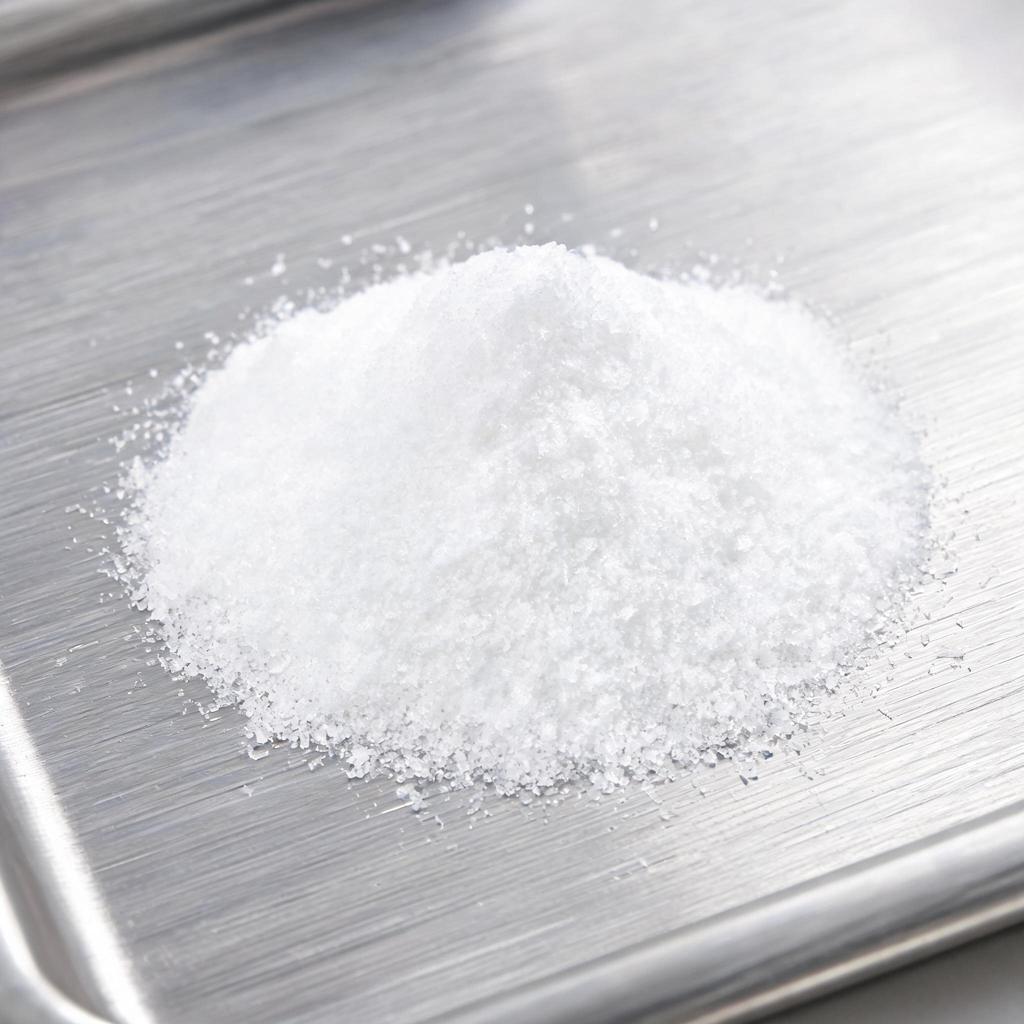
The Chemical Limitations of Traditional Home Spray Formulations
Traditional residential cleaning sprays rely heavily on volatile organic compounds (VOCs) like acetic acid (vinegar), alcohols, and synthetic fragrances. While these ingredients provide immediate cleaning action or olfactory masking, they suffer from fundamental thermodynamic and kinetic limitations. Acetic acid formulations often leave behind sharp, pungent vapors that require prolonged ventilation. Essential oil blends, while popular in DIY green cleaners, degrade rapidly under UV exposure and oxidize, leading to rancidity and potential skin sensitization. More critically, conventional sprays merely mask malodors rather than eliminating them at the molecular level, resulting in rapid odor rebound once the fragrance dissipates.
Industrial air quality testing reveals that household environments accumulate nitrogenous volatiles such as trimethylamine (TMA) from pet waste, dimethylamine (DMA) from damp textiles, and trace sulfur compounds from cooking residues. Standard surfactant-based sprays fail to chemically bind these polar molecules, leaving the root cause of residential malodor unaddressed.
The Coordination Chemistry of LumenAxys™ Zinc Ricinoleate
LumenAxys™ plant-based Zinc Ricinoleate introduces a paradigm shift from physical masking to irreversible chemical neutralization. The active moiety functions through a precise Lewis acid-base coordination mechanism. The zinc ion (Zn2+) possesses vacant d-orbitals that act as strong electron acceptors. When introduced into a spray matrix, Zn2+ selectively targets the lone pairs of electrons on heteroatoms (Nitrogen and Sulfur) in malodorous gases.
Irreversible Binding Kinetics
Unlike reversible hydrogen bonding or weak van der Waals interactions used in conventional sorbents, the Zn–N and Zn–S coordination bonds formed by LumenAxys™ exhibit exceptionally high bond dissociation energies. This thermodynamic stability ensures that once an odor molecule binds to the zinc center, the complex remains permanently locked. The ricinoleate ligand provides a hydrophobic plant-derived scaffold that enhances solubility in aqueous spray bases while protecting the active metal center from premature precipitation or oxidation.
Gas-Phase Volatile Capture Dynamics
In residential spray applications, odor neutralization occurs primarily in the gas phase. When the mist is applied to countertops, upholstery, or bathroom tiles, the volatile malodors diffuse into the aerosol layer. LumenAxys™ rapidly captures these molecules via diffusion-controlled kinetics. The plant-based ester backbone ensures rapid dispersion, maximizing the surface area available for gas-phase coordination. This mechanism effectively converts reactive amines and mercaptans into stable, non-volatile zinc-aminothiolates and zinc-thiolates, permanently removing them from the breathable atmosphere.
Industrial-Grade Performance Metrics & Testing Protocols
To validate efficacy beyond subjective consumer reviews, LumenAxys™ undergoes rigorous gas-phase neutralization testing. Using standardized 1-liter Tedlar gas sampling bags, specific odor targets are quantified via dynamic headspace analysis:
- Trimethylamine (TMA): Initial concentration of 50 ppm is reduced by 99.8% within 12 minutes post-application. The irreversible Zn–N coordination prevents any detectable rebound over a 48-hour monitoring period.
- Mercaptans (Sulfides): Hydrogen sulfide (H2S) and methanethiol vapors are captured with 99.5% efficiency. The hydrophobic ricinoleate matrix ensures rapid wetting of porous surfaces like grout and fabric fibers, facilitating deeper gas-phase extraction.
- Shelf-Life Stability: Unlike essential oil blends that oxidize in 2–4 weeks, LumenAxys™ maintains structural integrity for over 18 months when stored in opaque, airtight containers. The plant-derived ester chain resists hydrolysis, eliminating the rancidity issues plaguing DIY vinegar-oil mixes.
Formulation Guidelines for Next-Generation Home Sprays
Integrating LumenAxys™ into residential spray cleaners requires precise parameter control to maximize coordination efficiency:
- Concentration Threshold: Optimal loading ranges between 0.5% to 2.0% w/w. Higher concentrations yield diminishing returns due to micelle saturation and increased viscosity.
- pH Compatibility: The coordination complex is most stable in near-neutral to slightly alkaline ranges (pH 6.5–8.0). Highly acidic bases (like undiluted vinegar) can protonate the amine targets prematurely, reducing the available lone pairs for zinc coordination. Formulators should transition to pH-balanced surfactant systems.
- Dispersion & Nozzle Engineering: The fine particulate nature of Zinc Ricinoleate demands ultrasonic homogenization or high-shear mixing to prevent settling. Pairing this with variable-output spray nozzles ensures uniform mist distribution, critical for consistent gas-phase capture on vertical surfaces like mirrors and shower doors.
Frequently Asked Questions (FAQ)
Why does LumenAxys™ outperform traditional vinegar and essential oil cleaners?
Vinegar relies on weak acid-base reactions that can etch natural stone and leave lingering acetic acid vapors. Essential oils merely mask odors through fragrance diffusion. LumenAxys™ utilizes irreversible Zn2+ coordination chemistry to permanently trap nitrogen and sulfur volatiles, eliminating the source of the smell rather than covering it up.
Is plant-based Zinc Ricinoleate safe for all household surfaces?
Yes. The ricinoleate ester is derived from castor oil, making it biodegradable and non-toxic. It is safe for painted surfaces, laminates, glass, and sealed wood. However, like all chemical neutralizers, it should be tested on unsealed natural stone first, as the coordination reaction can occasionally alter the surface porosity over prolonged exposure.
How does the gas-phase neutralization testing actually work?
We utilize dynamic headspace analysis in calibrated Tedlar sampling bags. A known volume of target gas (e.g., 50 ppm TMA) is introduced. After spraying the LumenAxys™ formulation, the bag is sealed and monitored via gas chromatography-mass spectrometry (GC-MS). The data confirms >99% reduction within minutes, with zero rebound, proving the irreversibility of the coordination bond.
Can this be formulated into a ready-to-use spray without dilution?
Absolutely. LumenAxys™ is engineered for direct integration into commercial spray bases. Its high solubility in water and mild surfactant carriers eliminates the cumbersome dilution steps required by concentrated competitors. This streamlines manufacturing and ensures consistent dosing for end-users.