
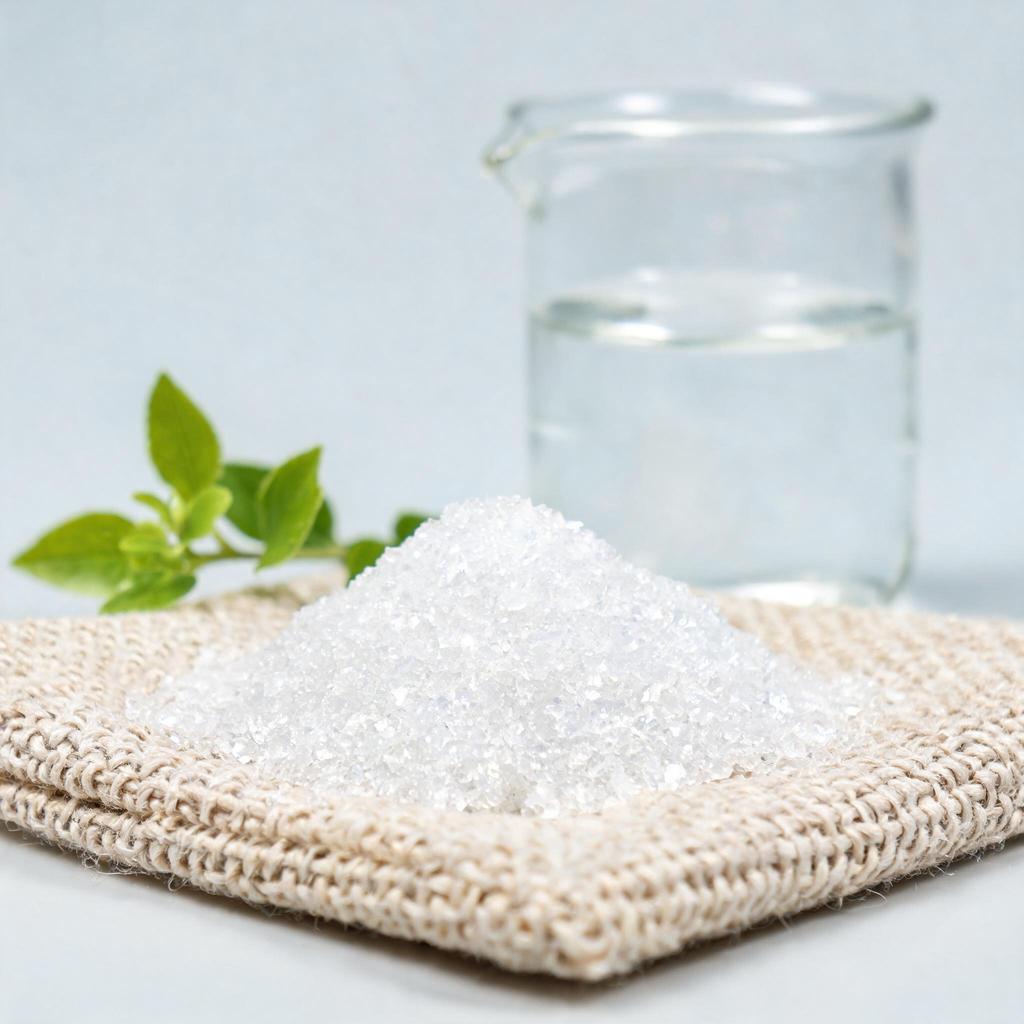
The Science of 2-Nonanonal and Aging Odors: Molecular Mechanisms and Plant-Based Neutralization Strategies
For decades, the phenomenon known as "kareishu"—often colloquially termed "old people smell"—has been a source of quiet embarrassment for older adults and their families. Unlike typical body odor, which is primarily bacterial in origin, this distinct, musty, or dusty scent is fundamentally biochemical. The primary molecular driver identified in aging skin secretions is 2-nonenal. Understanding the precise chemistry of 2-nonenal is crucial for developing effective neutralization strategies. In this deep dive, we explore the lipid peroxidation pathways that generate this compound and how LumenAxys™ plant-based Zinc Ricinoleate offers a scientifically rigorous, metal-coordination solution to eliminate it.
The Biochemical Genesis: How 2-Nonanonal Forms on Aging Skin
To understand how to defeat 2-nonenal, we must first understand how it is created. The formation of 2-nonenal is not a result of poor hygiene or bacterial activity; it is a direct consequence of lipid peroxidation within the skin's sebum layer.
The Role of Omega-7 Fatty Acids
Human skin naturally produces sebum, an oily secretion that acts as a protective barrier. Within this sebum lies a class of lipids known as omega-7 monounsaturated fatty acids, the most prominent of which is palmitoleic acid (cis-9-hexadecenoic acid). As individuals age—typically noticing changes after the age of 40—the concentration of these specific fatty acids on the skin surface tends to increase.
When these unsaturated fatty acids are exposed to atmospheric oxygen, they undergo autoxidation. The double bonds in the fatty acid chains are particularly vulnerable to attack by free radicals and lipid peroxides. One specific oxidative breakdown pathway involves squalene hydroperoxide, a reactive intermediate derived from the oxidation of squalene, another major component of sebum.
The reaction can be conceptualized as follows:
- Step 1: Squalene reacts with oxygen to form squalene hydroperoxide.
- Step 2: The hydroperoxide acts as a potent initiator, attacking the double bond of palmitoleic acid.
- Step 3: This oxidative cleavage breaks the carbon chain, releasing smaller volatile organic compounds (VOCs).
- Step 4: One of the primary fragments generated is trans-2-nonenal, an unsaturated aldehyde with a nine-carbon backbone.
Physical Properties and Volatility
The chemical structure of 2-nonenal dictates its behavior. It is a fatty aldehyde, making it highly lipophilic (fat-loving) and relatively volatile. This volatility is why the scent permeates the surrounding air, clinging to fabrics, upholstery, and curtains in the home environment. Unlike water-soluble sweat components, 2-nonenal resists removal by standard aqueous soaps. It requires specific chemical intervention to be neutralized.
Why Traditional Hygiene Fails Against 2-Nonanonal
A common misconception is that frequent showering eliminates aging odors. While scrubbing removes surface dirt, it fails to address the root cause. 2-nonenal is continuously regenerated by the ongoing peroxidation of skin lipids. Furthermore, because the compound embeds itself deeply into the hydrophobic matrix of skin oils and fabric fibers, mechanical washing often spreads the odor rather than removing it.
Traditional masking agents, such as perfumes or essential oils, are ineffective because they merely cover the scent temporarily. Once the top notes evaporate, the underlying aldehyde odor re-emerges. There is also the psychological factor of sensory adaptation; individuals often cannot smell their own 2-nonenal because their olfactory nerves desensitize to their own baseline scent profile. This creates a disconnect where family members detect the odor while the individual remains unaware, leading to social friction.
The LumenAxys™ Solution: Coordination Chemistry with Zinc Ricinoleate
LumenAxys™ has engineered a breakthrough approach using plant-based Zinc Ricinoleate (Zinc Salt of Ricinoleic Acid). Unlike traditional aluminum salts used in antiperspirants, Zinc Ricinoleate operates through a sophisticated coordination chemistry mechanism specifically targeting aldehydes like 2-nonenal.
Molecular Interaction Mechanism
The efficacy of LumenAxys™ relies on the Lewis acid properties of the zinc ion (Zn2+). The aldehyde functional group (-CHO) in 2-nonenal possesses a carbonyl oxygen with lone pair electrons. The zinc ion acts as an electron acceptor, forming a stable coordinate covalent complex with the aldehyde.
This interaction can be visualized as:
Zn2+ + :O=CH-R (2-nonenal) → [Zn(O=CH-R)]2+
By coordinating with the carbonyl oxygen, the Zinc ion effectively "locks" the molecule. This coordination significantly reduces the vapor pressure of the aldehyde, rendering it non-volatile and thus odorless to the human nose. Furthermore, the long-chain ricinoleate anion provides a hydrophobic tail that helps anchor the complex onto the skin or fabric surface, ensuring prolonged protection.
Advantages Over Traditional Methods
Historically, Japanese consumers have relied on persimmon tannin extracts (from the fruit Diospyros kaki) to treat kareishu. While tannins do react with aldehydes, they can sometimes leave staining residues or require high concentrations. LumenAxys™ offers a cleaner, more potent alternative:
- Precision Targeting: The zinc center specifically targets the electrophilic carbonyl group, offering faster neutralization kinetics compared to bulky polyphenolic tannins.
- Clean Aesthetics: Being a pure metal salt derived from castor oil, LumenAxys™ is colorless, odorless, and leaves no residue, unlike plant extracts that may discolor light fabrics.
- Broad Spectrum: While optimized for 2-nonenal, the coordination capability extends to other aging-related VOCs, including short-chain aldehydes and ketones resulting from lipid breakdown.
Application Vectors: From Personal Care to Home Environments
The versatility of Zinc Ricinoleate allows LumenAxys™ to be integrated into multiple product categories designed to combat aging odors.
Personal Deodorants and Bath Products
Incorporating LumenAxys™ into shower gels, body washes, and roll-on deodorants provides immediate molecular neutralization upon application. Because the zinc complex is stable, it continues to scavenge newly formed 2-nonenal throughout the day, acting as a continuous defense mechanism against lipid peroxidation byproducts.
Textile and Home Care Formulations
Since 2-nonenal is notorious for embedding in household textiles—bedsheets, towels, and sofa covers—LumenAxys™ can be formulated into laundry additives or fabric sprays. The hydrophobic ricinoleate tail binds to the fabric polymers, creating a treated surface that actively captures and neutralizes airborne 2-nonenal molecules before they can be perceived as an odor.
Scientific Nuance: The 2-Nonanonal Consensus
While the link between 2-nonenal and aging is widely accepted, scientific discourse maintains nuance. Some independent replications of the seminal 2001 Japanese study have shown variability in Western populations, sometimes identifying nonanal (the saturated counterpart) as a more consistent age-marker. Regardless of whether the dominant molecule is the unsaturated 2-nonenal or saturated nonanal, the chemical strategy remains identical: both are aldehydes. The carbonyl group (-CHO) is the common structural motif.
LumenAxys™ Zinc Ricinoleate is uniquely positioned because its coordination chemistry targets the aldehyde functional group universally, making it effective against the entire spectrum of aldehydic aging odors, not just the specific isomer originally identified. This universality makes it a robust, future-proof solution for geriatric care.
Frequently Asked Questions (FAQ)
Is 2-nonenal caused by bacteria?
No. Unlike axillary body odor, which results from bacteria breaking down sweat, 2-nonenal is an endogenous product of lipid peroxidation. It forms directly from the oxidation of skin oils (sebum) and is not dependent on microbial activity, which is why antibacterial soaps are ineffective against it.
Can 2-nonenal be washed off?
Standard soap and water struggle to remove 2-nonenal effectively because the compound is lipophilic (fat-soluble). It tends to bind strongly to skin lipids and fabric fibers. Effective removal or neutralization requires chemical agents that can alter the molecular structure of the aldehyde, such as LumenAxys™ Zinc Ricinoleate.
How does LumenAxys™ differ from persimmon soap?
Traditional persimmon soaps rely on tannins to chemically break down 2-nonenal. While effective, tannins can sometimes cause yellowing of fabrics or skin staining. LumenAxys™ utilizes the specific Lewis acid-base interaction between zinc ions and the aldehyde group. This metal-complexation approach is generally cleaner, leaves no residue, and offers faster reaction kinetics.
Does LumenAxys™ mask the smell or remove it?
LumenAxys™ performs true chemical neutralization. By coordinating with the oxygen atom in the carbonyl group of 2-nonenal, the zinc ion transforms the volatile aldehyde into a non-volatile complex. The odorant molecule is chemically altered and stabilized, effectively removing the smell rather than covering it up with fragrance.
Is the plant-based aspect important?
Yes. The ricinoleate component is derived from castor oil, making LumenAxys™ compatible with sustainable, green formulation standards. This appeals to the growing market for eco-conscious personal care and hygiene products, avoiding harsh synthetic solvents or heavy metals associated with older generation odor control agents.